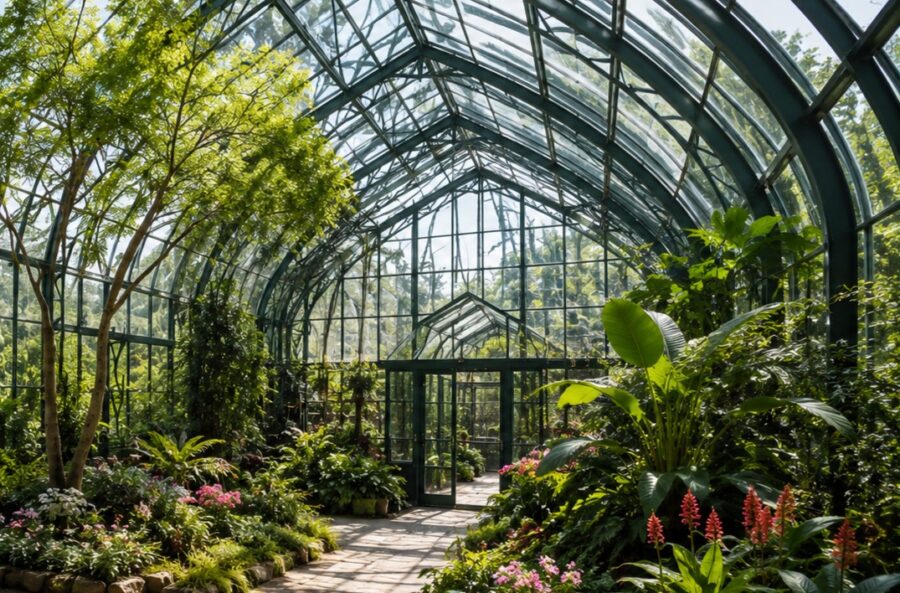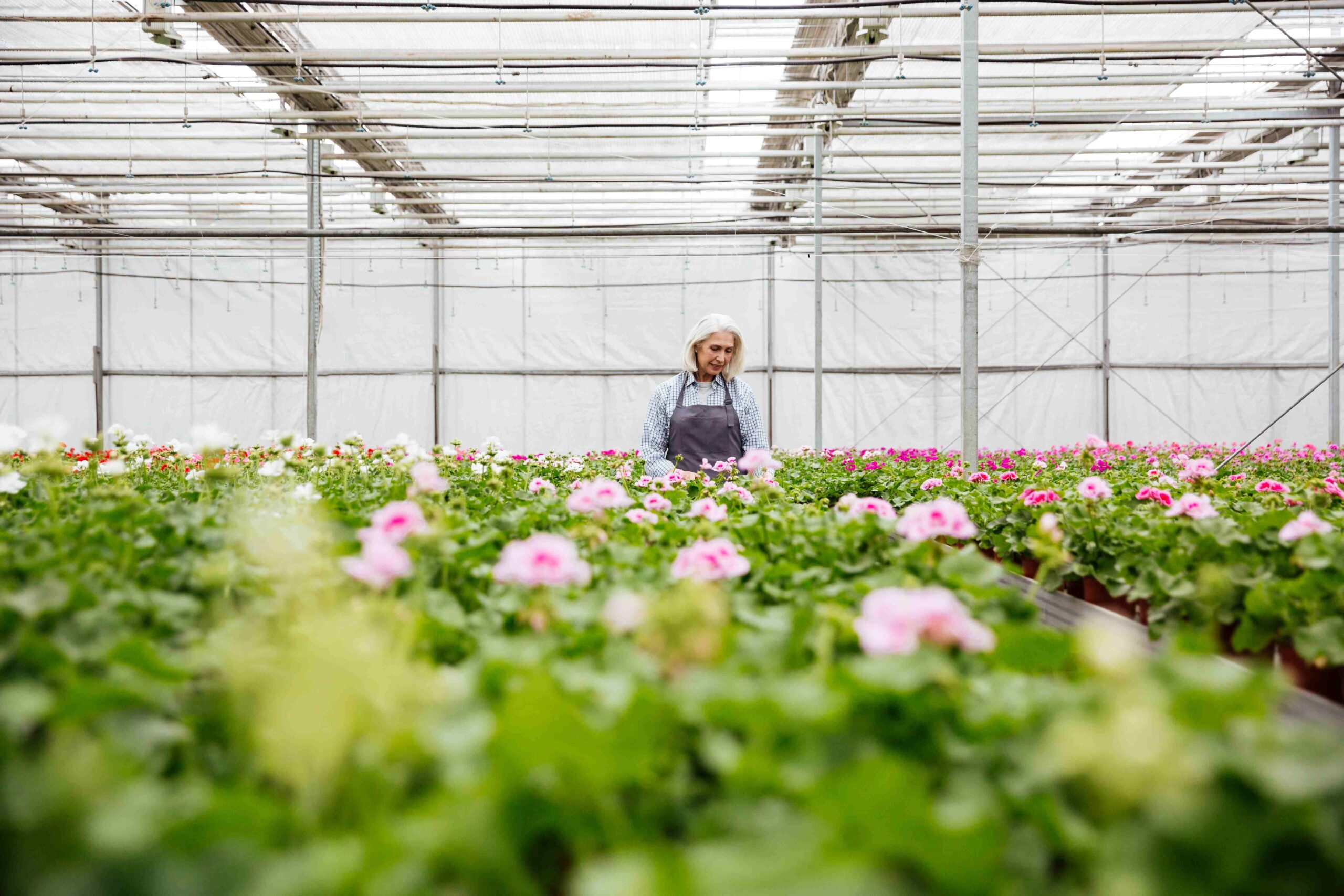
An industrial greenhouse for flowers is not chosen by the type of structure alone. The decision is shaped by the crop, the seasonality of production, the region and the requirements for microclimate, lighting, irrigation and the level of automation. For year-round floriculture it is especially important to design the envelope and the engineering systems as a single complex.
Which industrial greenhouse to choose for growing flowers
A greenhouse for growing flowers has to maintain the necessary conditions throughout the whole production cycle and allow control of temperature, humidity, air exchange, irrigation and the light regime. There is no universal structure for every flower business: the requirements for a facility growing cut roses, potted crops or planting material are different.
Film, glass and polycarbonate structures are all used in commercial projects. The choice depends on the operating regime, the area, the specifics of the crop and the requirements for the engineering package.
| Type of greenhouse | What it suits | Microclimate specifics | Automation options | What to consider |
|---|---|---|---|---|
| Film | Seasonal and year-round growing with the appropriate engineering | Requires calculation of the thermal circuit, ventilation and protection against overheating | Heating, ventilation, irrigation and supplementary lighting can be automated | Type of covering, regional climate, design loads |
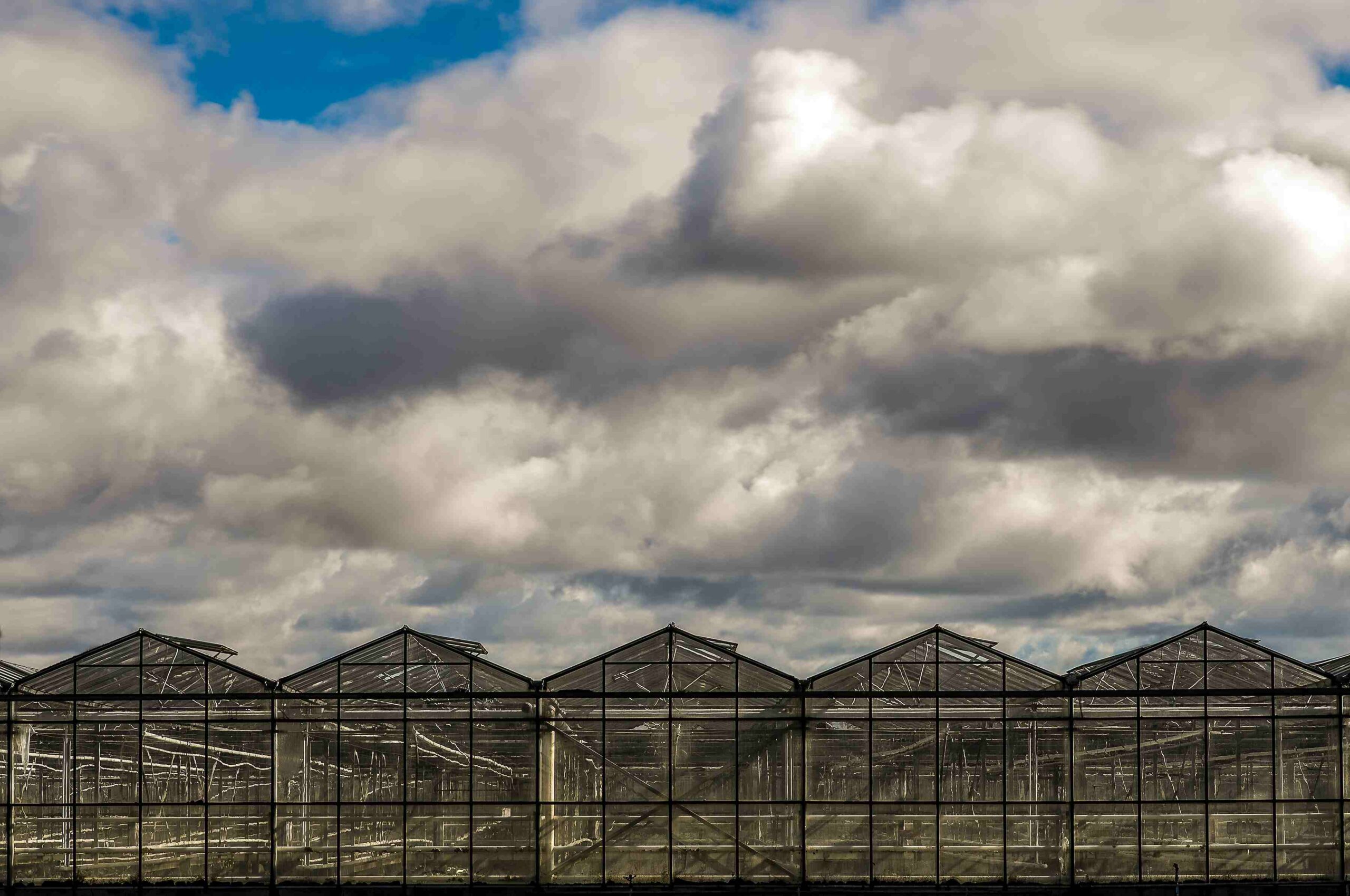
| Venlo | Intensive commercial floriculture, large complexes | Allows an advanced microclimate control system to be set up | Suitable for comprehensive climate automation | Requirements for engineering infrastructure and technology |
| Polycarbonate | Individual production tasks and facilities of a relatively small area | Thermal and light parameters depend on the structure and the covering | The main engineering systems can be automated | Whether the solution suits the chosen technology |
When choosing the structure you can consider industrial film greenhouses for projects where this type of covering matches the climate and the growing technology. For large intensive operations one of the options is Venlo industrial greenhouses, which allow an extensive set of engineering systems to be integrated.
If a year-round flower greenhouse is required, the frame and the covering cannot be chosen separately from the heating, the ventilation and the rest of the engineering. The structure has to match the design loads and the chosen growing technology.
Which engineering systems a flower complex needs
A greenhouse complex for flowers is a set of interconnected systems. Their composition is defined after analysing the crop, the technology, the operating regime and the available utilities.
The project may include heating, natural and forced ventilation, air circulation, shading and energy-saving systems, supplementary lighting, automatic irrigation and fertigation, water treatment, drainage, climate sensors and control equipment.
The thermal calculation is especially important for year-round production. It determines the heating configuration taking into account the structure of the greenhouse, the outdoor conditions and the required indoor regime. The power supply is assessed separately, particularly where supplementary lighting is planned.
The light regime is also calculated for the particular crop and production cycle. Some plants need more intensive supplementary lighting, for others the control of the photoperiod matters more. Using the same lighting scheme for different flower crops is therefore incorrect.
Irrigation and fertigation are linked to the growing technology, the substrate, the quality of the source water and the layout of the plants. Automation makes it possible to coordinate the equipment, monitor the parameters and reduce the number of manual operations, but it does not replace agronomic and technical supervision.
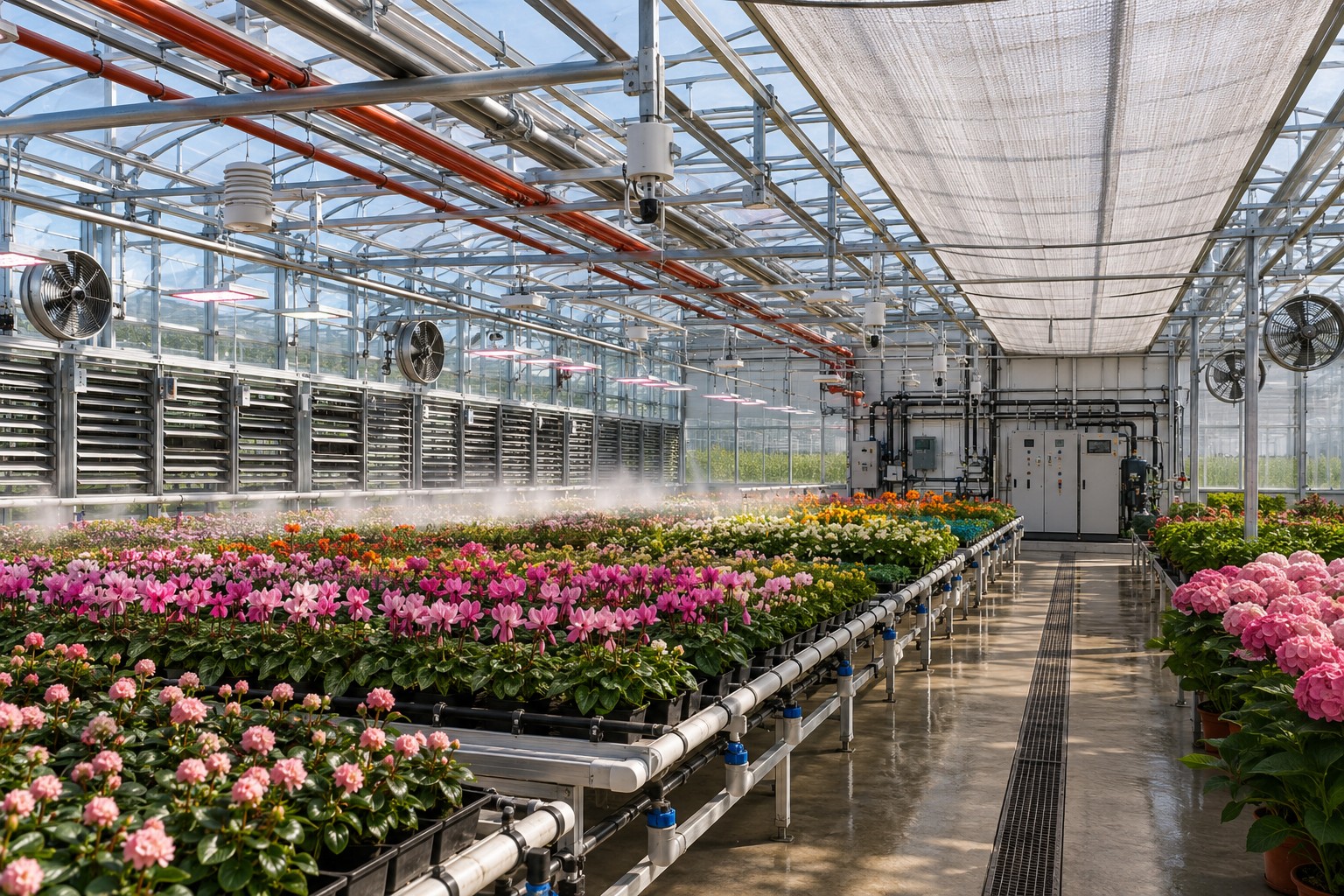
What to consider when designing for a particular crop
The design of a greenhouse complex starts with the production technology, not with the choice of a ready-made structure. When growing cut roses, for example, what matters is a stable climate regime, the arrangement of supplementary lighting, air circulation and the ability to control individual zones. For potted crops the layout of the plants, internal logistics and the specifics of irrigation are taken into account. When raising seedlings and young planting material, the requirements change as the plants develop.
Before a solution is developed it is therefore advisable for the customer to prepare the input data:
- the crop and the planned product range;
- the area of the facility and the number of production zones;
- the region of construction;
- seasonal or year-round operation;
- the growing technology;
- the available heat source, electrical capacity and water supply;
- the need for supplementary lighting, fertigation and climate control;
- the required level of automation;
- the specifics of the site and the expected project timeline.
On the basis of this data the concept is formed, the structure is chosen and the engineering package is defined. Separate greenhouse complex design makes it possible to tie the layout, structural and engineering decisions together in advance and to prepare the facility for construction.
What a turnkey project includes and what the cost depends on
Turnkey flower greenhouses mean more than the supply of a frame and a covering. Depending on the task, the project may include the development of technical solutions, design work, manufacturing of the structures, supply of engineering equipment, installation and commissioning.
When building greenhouses for flowers it is important to agree the boundaries of the work in advance: preparation of the foundation and the site, connection of utilities, installation of heating, ventilation, irrigation, lighting and control systems. If the customer needs a single contractor for the whole facility, construction of greenhouse complexes may involve several consecutive stages — from preparing the technical solution to installing and starting up the equipment provided for in the design.
The cost depends on the area and the type of structure, the climatic conditions of the region, the requirements of the crop, the composition of the engineering systems and the level of automation. The energy source, the need for supplementary lighting, the number of climate zones, the complexity of the irrigation and the installation conditions can all have a significant effect. Setting a budget from the cost per square metre alone, without technical input, is therefore incorrect.
For a preliminary estimate it is enough to provide the basic data on the crop, the area, the region, the operating regime and the available engineering infrastructure. After that the suitable format of the complex, the equipment package and the scope of the work required can be determined.
FAQ
Which greenhouse should be chosen for year-round flower growing?
The choice depends on the crop, the area, the region and the required level of automation. For year-round operation the calculations for heating, ventilation, supplementary lighting and microclimate control are especially important. The type of structure is chosen together with the engineering solution.
Can a complex be designed for a specific flower crop?
Yes. The design takes into account the growing technology, the temperature and light requirements, the irrigation layout, the arrangement of the plants and the organisation of the production zones. This makes it possible to select the structure and the equipment for the particular task.
Is supplementary lighting needed in a commercial flower greenhouse?
The composition of the system is not the same in every project. The need for supplementary lighting, its configuration and its operating regime are determined by the crop, the season, the natural light level and the production schedule.
What does the cost of a greenhouse complex for flowers depend on?
The budget is affected by the area, the structure, the covering, the heat load, the heating, ventilation, lighting, irrigation and automation, the site conditions and the volume of installation work. The final equipment package and the cost are determined once the input data has been received.